
Our Blog
Home / Our Blog
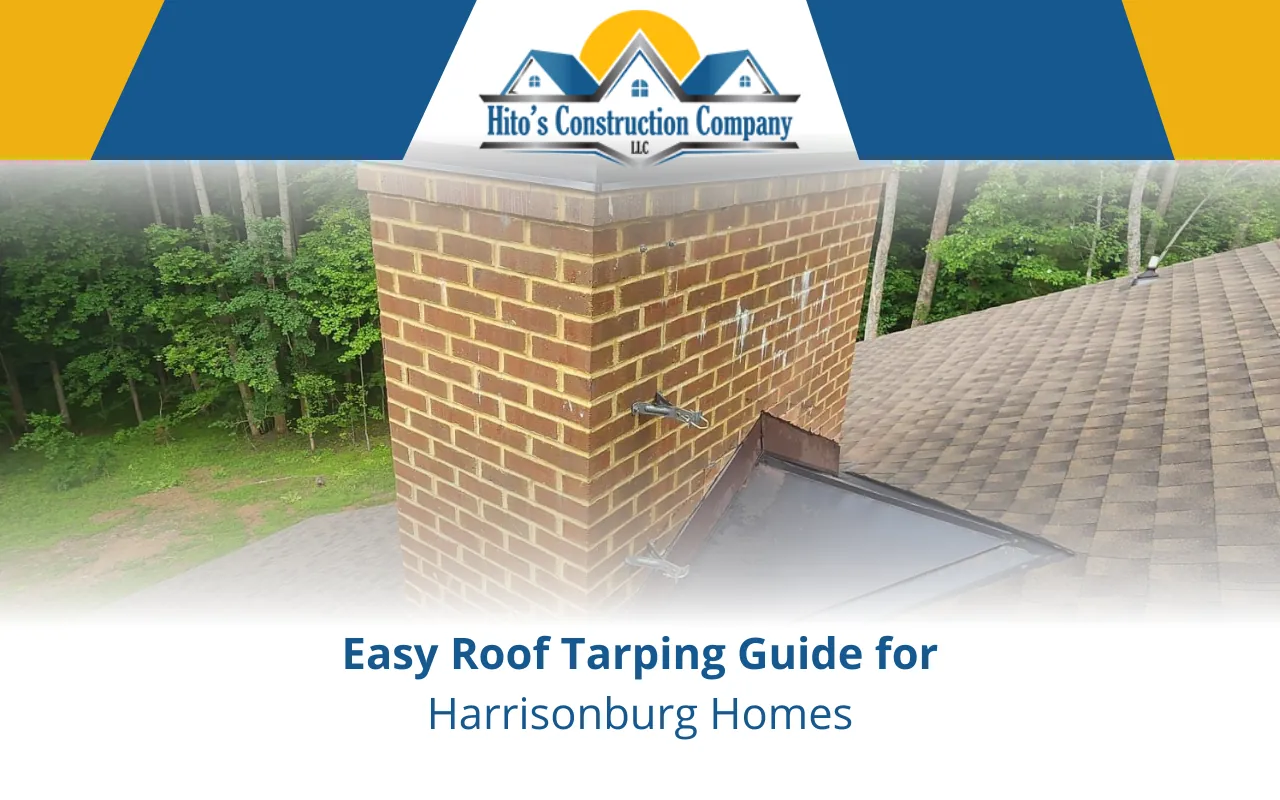
Easy Roof Tarping Guide for Harrisonburg Homes
Emergency Roof Tarping in Harrisonburg helps you protect your home fast. Roof damage can happen after storms, falling branches, or aging materials. However, quick action can reduce stress and limit damage.
In addition, a clear plan keeps you safer. This guide explains simple steps you can follow until a roofer arrives.
Emergency Roof Tarping in Harrisonburg: A Simple Overview
Roof tarping is a quick way to shield damaged areas. As a result, rain and debris are pushed away from weak spots. A Temporary roof cover is not a final repair. Still, it can help reduce stains, mold risk, and interior damage during changing weather.
Assess the Damage Before You Climb
First, inspect from the ground when you can. Then, check the attic for stains or dark spots. Therefore, you can map where water likely enters. Measure the damaged zone, and add extra coverage on each side. This helps you work faster and smarter.
Look for missing shingles, cracks, or holes.
Check ceilings and attic beams for fresh moisture marks.
Estimate the area, and add 1–2 extra feet for anchoring.
Ladder Setup and Safe Movement
Good ladder setup lowers your risk. Use ladder basics and follow safety tips every time. Place the ladder on firm ground, and keep it at a steady angle. Moreover, keep three points of contact as you climb. If possible, ask a helper to steady the base.
Tools and Materials to Prepare
Emergency Roof Tarping in Harrisonburg works best when your gear is ready. Choose a heavy-duty tarp, plus fasteners and edge supports. Also, prep tools on the ground to limit roof time. Wear gloves and eye protection, because loose debris can shift quickly.
Heavy-duty tarp (about 6 mil or thicker)
Wood lath strips or weighted bags for edges
Roofing nails, hammer, and a utility knife
Waterproof tape for quick reinforcement
Secure the Tarp Step by Step
Emergency Roof Tarping in Harrisonburg starts above the leak path. Then, work downward so water sheds off the roof. Keep the tarp tight, because wrinkles can catch wind. Finally, fasten edges with wood strips or weights to reduce lifting.
Cut the tarp on the ground, with extra overlap on each side.
Position it above the damaged area, starting high on the slope.
Secure the top edge with wood strips, spaced about two feet apart.
Fasten the sides and bottom, keeping tension even.
Recheck alignment, especially near corners and valleys.
Handle Common Roof Damage Types
Different problems need different coverage. For example, missing shingles create focused entry points. Therefore, extend coverage well past the exposed area. For punctures, keep the tarp tight and protect sharp edges. If you see sagging or major damage, reduce time on the roof.
Weatherproof the Edges
Seal seams and fastener points to reduce wind-driven rain. As a result, you get a stronger leak stop during heavy weather. Add weight at lower edges to limit flapping. Then, trim excess material so wind has less to grab. Check after the next rainfall for shifting.
Maintain Your Setup Until Repairs
Inspect the tarp after wind or rain. Tighten fasteners if you see slack. Also, clear leaves and branches to prevent pooling. Patch small tears quickly with waterproof tape. These quick checks help the cover last longer. Meanwhile, plan permanent repairs as soon as you can.
Know When to Call a Professional
If the roof is steep, damage is widespread, or the structure seems weak, get help. Emergency Roof Tarping in Harrisonburg is a short-term bridge, not a final solution. After big storms, an inspection can reveal hidden issues. Therefore, do not ignore signs of deeper damage.
Frequently Asked Questions
How long can a tarp stay on a roof?
It can work for a short period, especially with regular checks. However, schedule repairs soon to avoid hidden moisture problems.
Should the tarp start above the damaged area?
Yes. Starting higher helps water shed past the weak spot. Therefore, overlap matters more than a tight fit at the hole.
What if wind keeps lifting the bottom edge?
Add weight and reduce loose flap length. Also, check corner tension, because corners often catch gusts first.
Can I tarp a roof alone?
Sometimes, but help is safer. In addition, a helper can pass materials and reduce risky movement.
When should I skip DIY tarping?
If you see sagging, major deck damage, or unsafe access, stop. Instead, contact a pro service that can secure the area safely.
Final Thoughts for Fast Protection
Emergency Roof Tarping in Harrisonburg can buy you time when damage appears without warning. First, assess safely and prep materials. Then, secure the tarp with steady tension and sealed edges. Also, monitor the cover after storms. With quick action, you can keep living spaces drier until repairs begin.

Request Your Free Consultation Today
Residential and Commercial Services

We cover a 30-mile radius around Ruckersville, VA

Monday to Friday,
7:00 AM to 5:00 PM
Sabado,
8:00 AM to 12:00 PM
Payment Methods: Cash, Check, Credit Cards, Zelle


@ 2025 - Hito's Construction Company LLC | All Rights Reserved